Full-Stack IT monitoring
Full monitoring visibility across your IT stacks, in one place
APM and Distributed Tracing
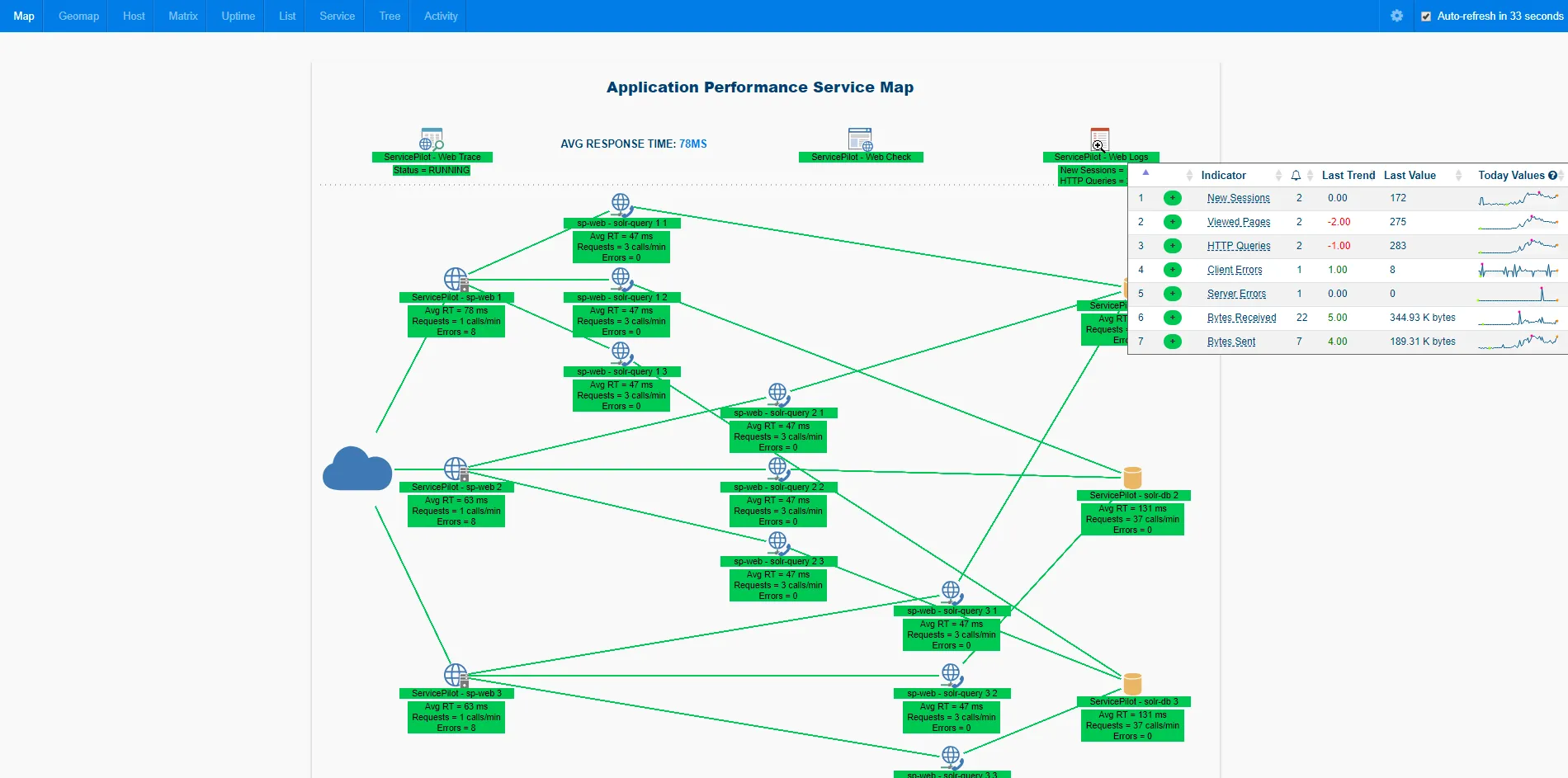
APM traces for .NET, .NET Core, NodeJS, Java and Docker applications. Monitoring HTTP transactions, real-time mapping of distributed application architectures and more.
Network Flows for Servers
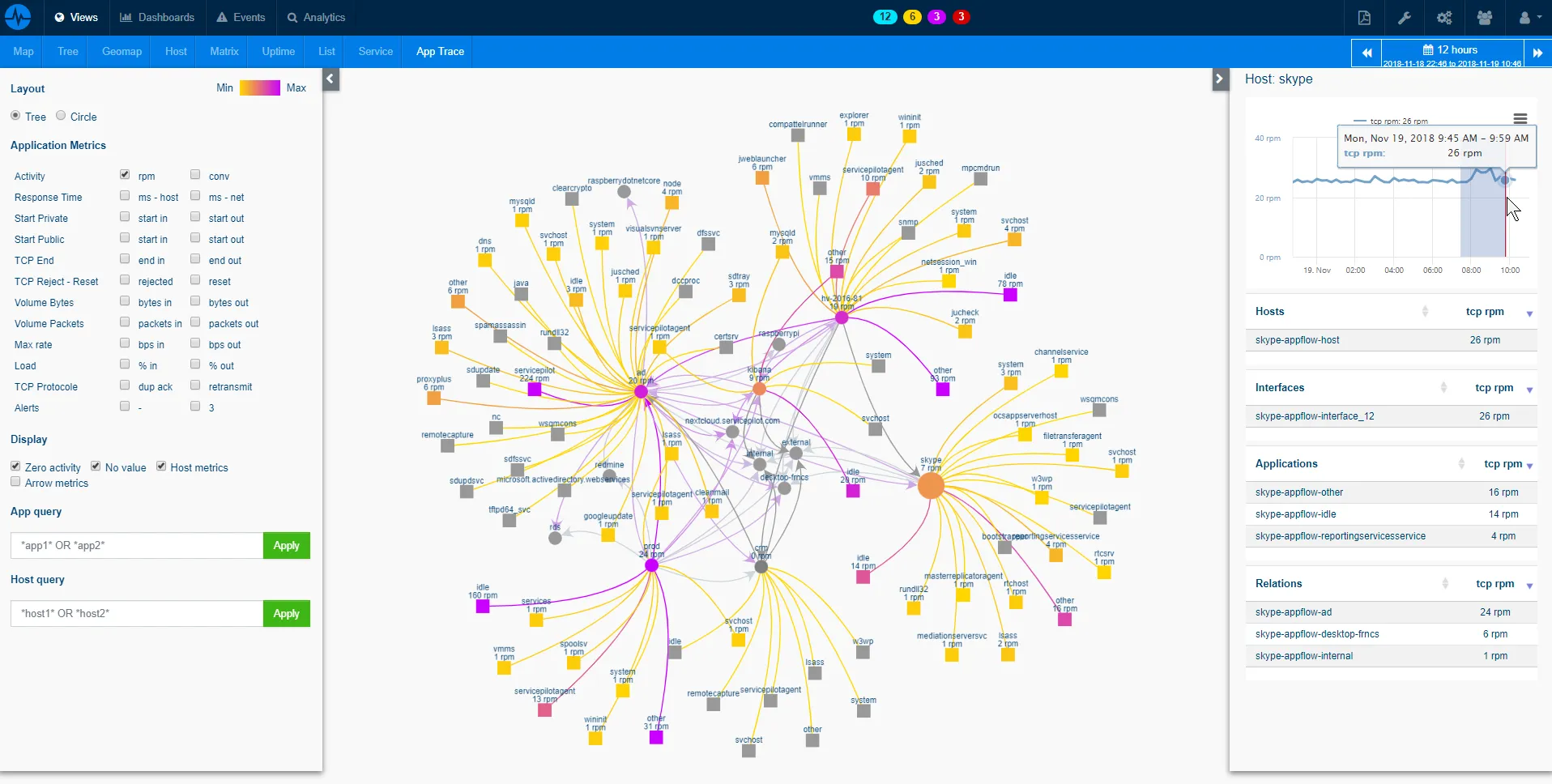
APM with automatic discovery and monitoring of applications using TCP / UDP on your servers. Mapping of application services and inter-server traffic in real time. On-demand PCAP tracing.
Synthetic Tests

Quickly assess status and potential issues for common proprietary Microsoft applications, custom TCP applications, website test scenarios and checks or LDAP monitoring.
RUM and Endpoint Monitoring
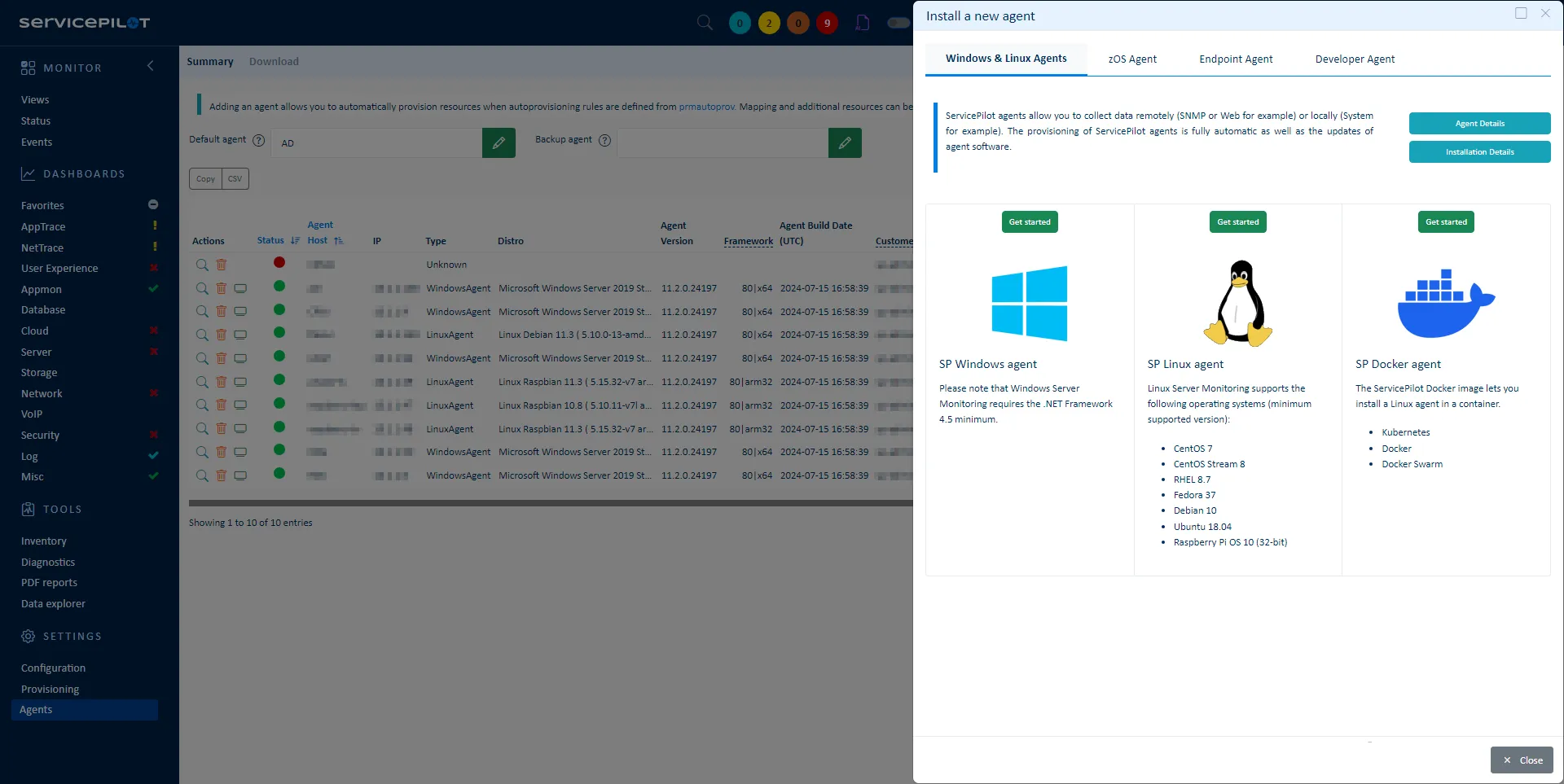
Desktop monitoring, inventory and analysis to check the user experience of your co-workers, even with SaaS applications. Real User Montioring to measure the response times of web application users.
Network Flows for Mainframes (TDSLink)
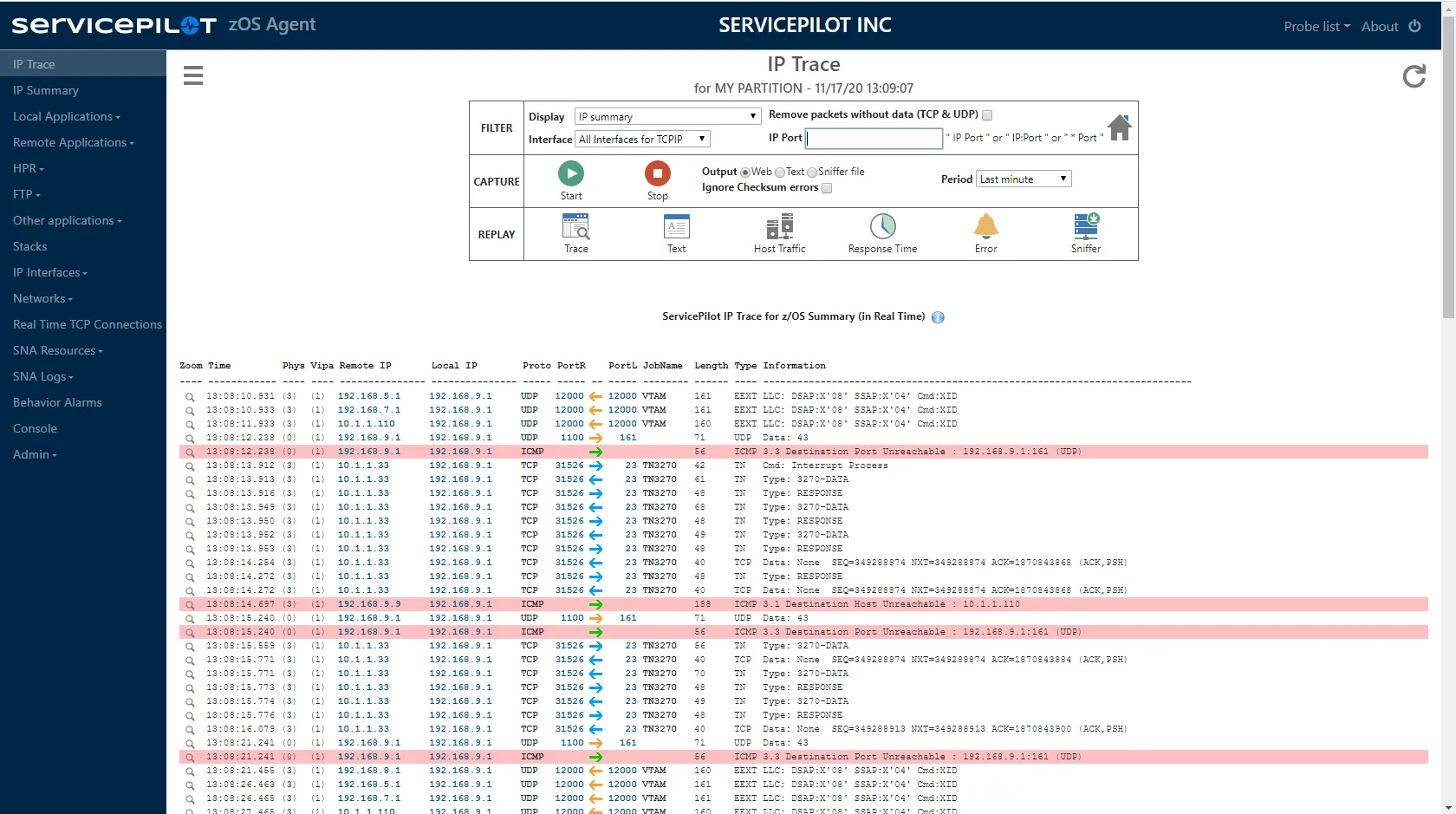
Monitoring and overview of IP traffic, end-to-end and real-time monitoring of network and application performance in an IBM z/OS environment.
Unified Communications Monitoring
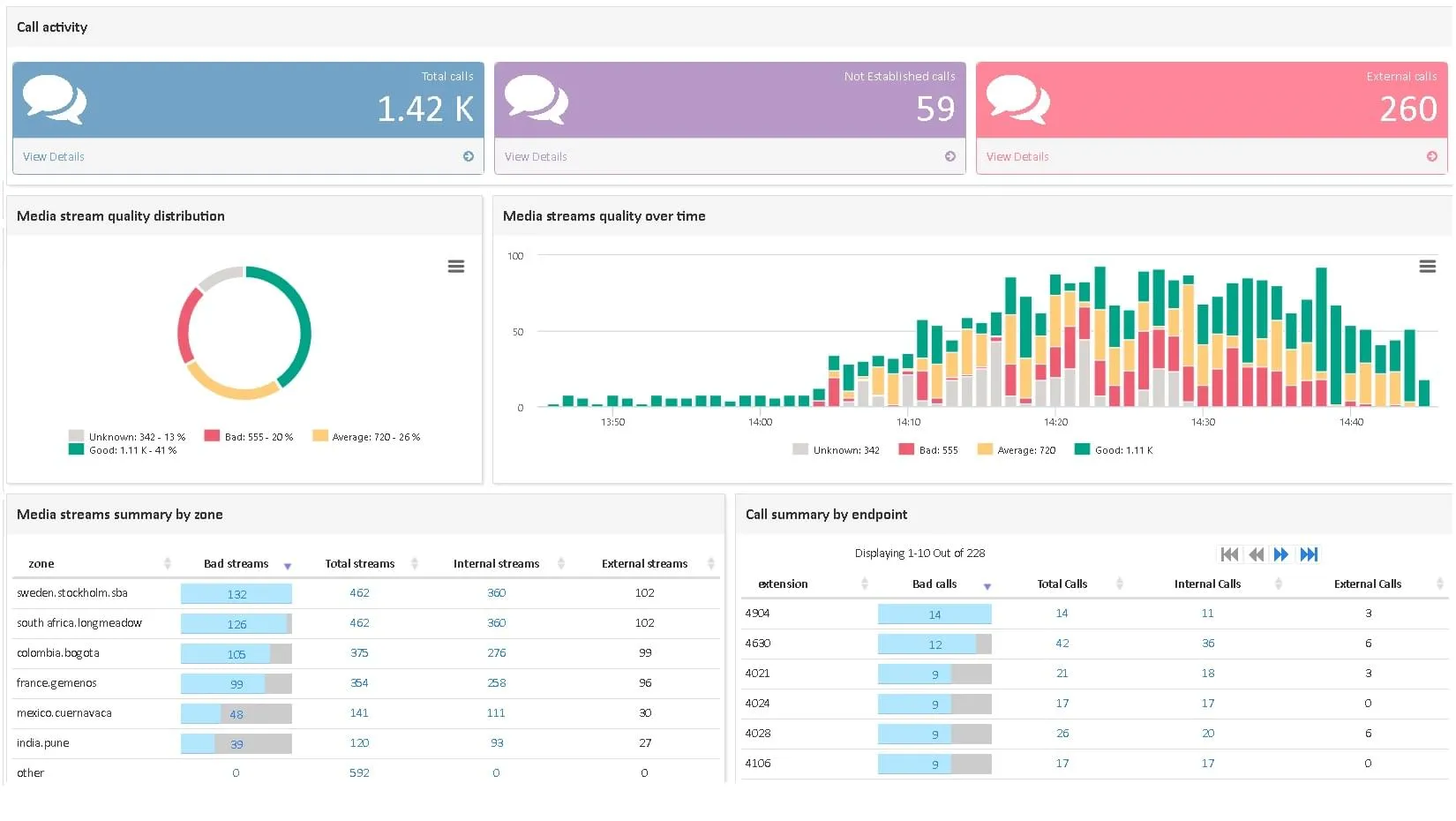
Ensure good VoIP call quality and UC infrastructure performance for many Contact Center vendors: Avaya, Cisco, Genesys, Microsoft Skype For Business, Oracle SBC and more.
Servers and Virtualization
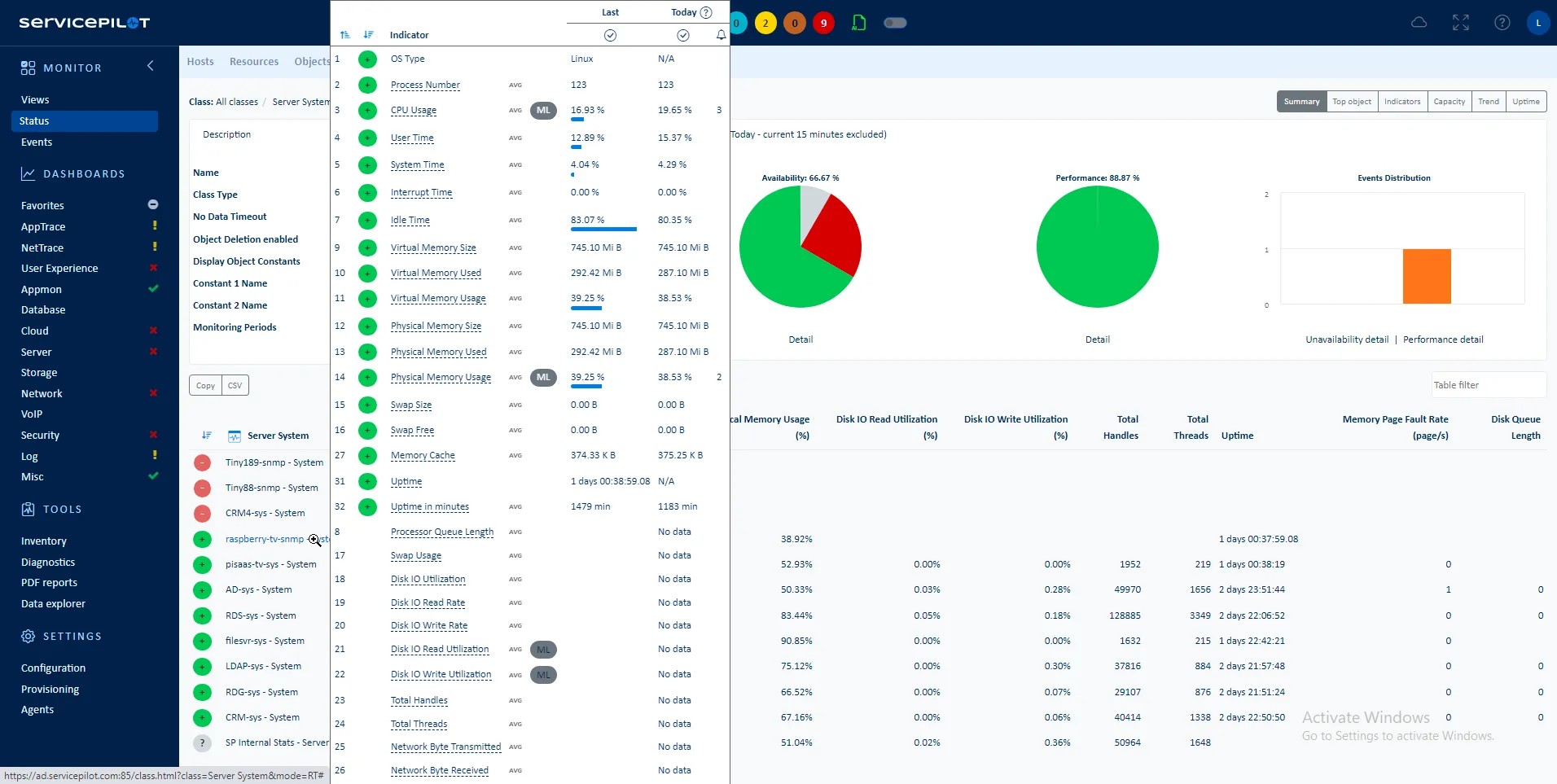
Ensure optimal availability and performance for Windows or Linux servers and quickly deploy reliable monitoring of your VMware or Hyper-V virtualization environments.
Data Centers and Storage

Make sure your data centers are delivering their service the right way by monitoring storage arrays and executing regular SQL databases performance checks.
SNMP Networks and SD-WAN

Get control over multi-vendor LAN, WAN, Wi-Fi environments to understand network availability, performance and grasp potential security incidents.
NetFlow Traffic for Network Devices
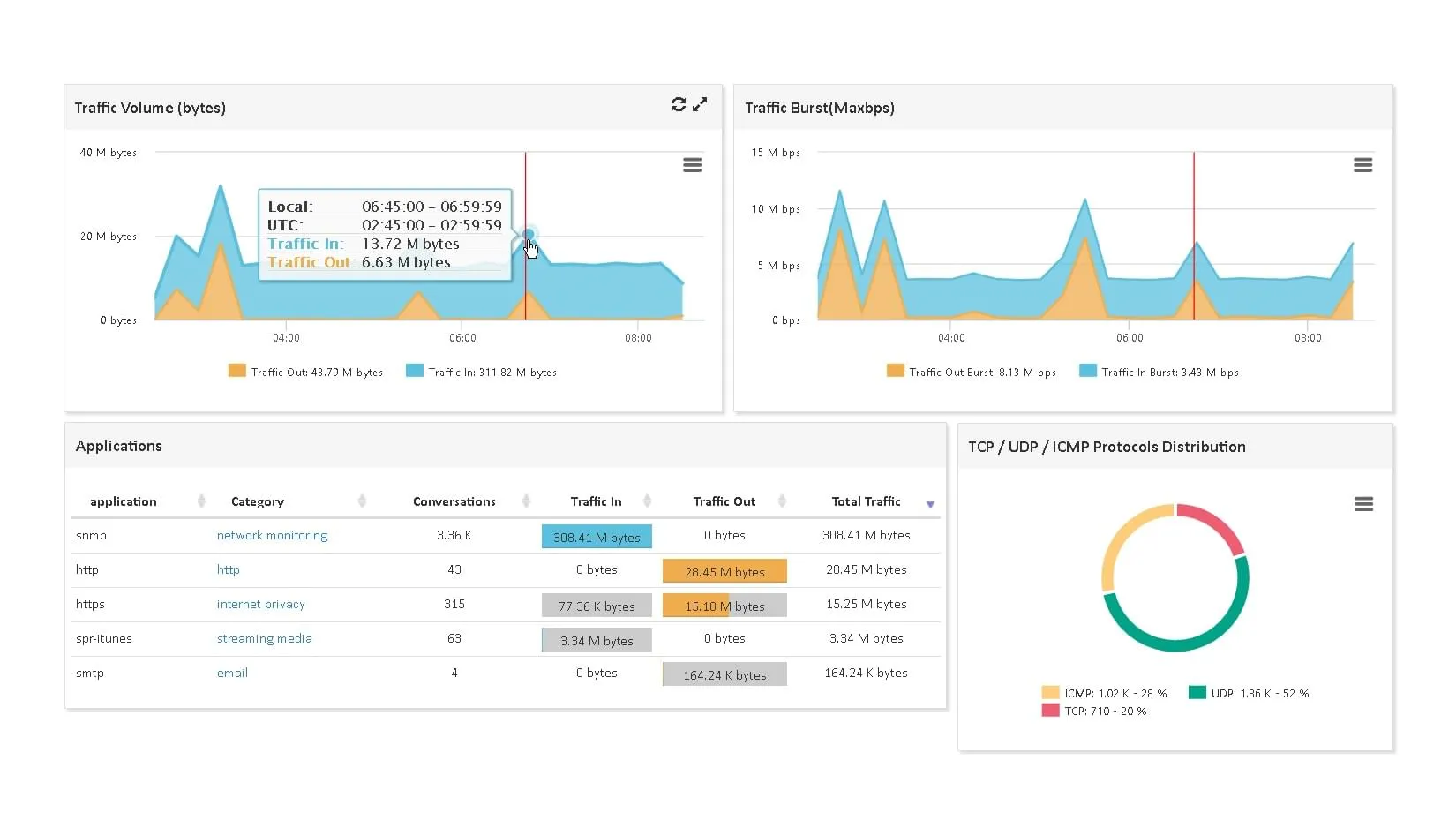
NetFlow monitoring for network performance. Monitoring of applications and detailed bandwidth consumption for your sites and network equipments.
Log Management and Analytics
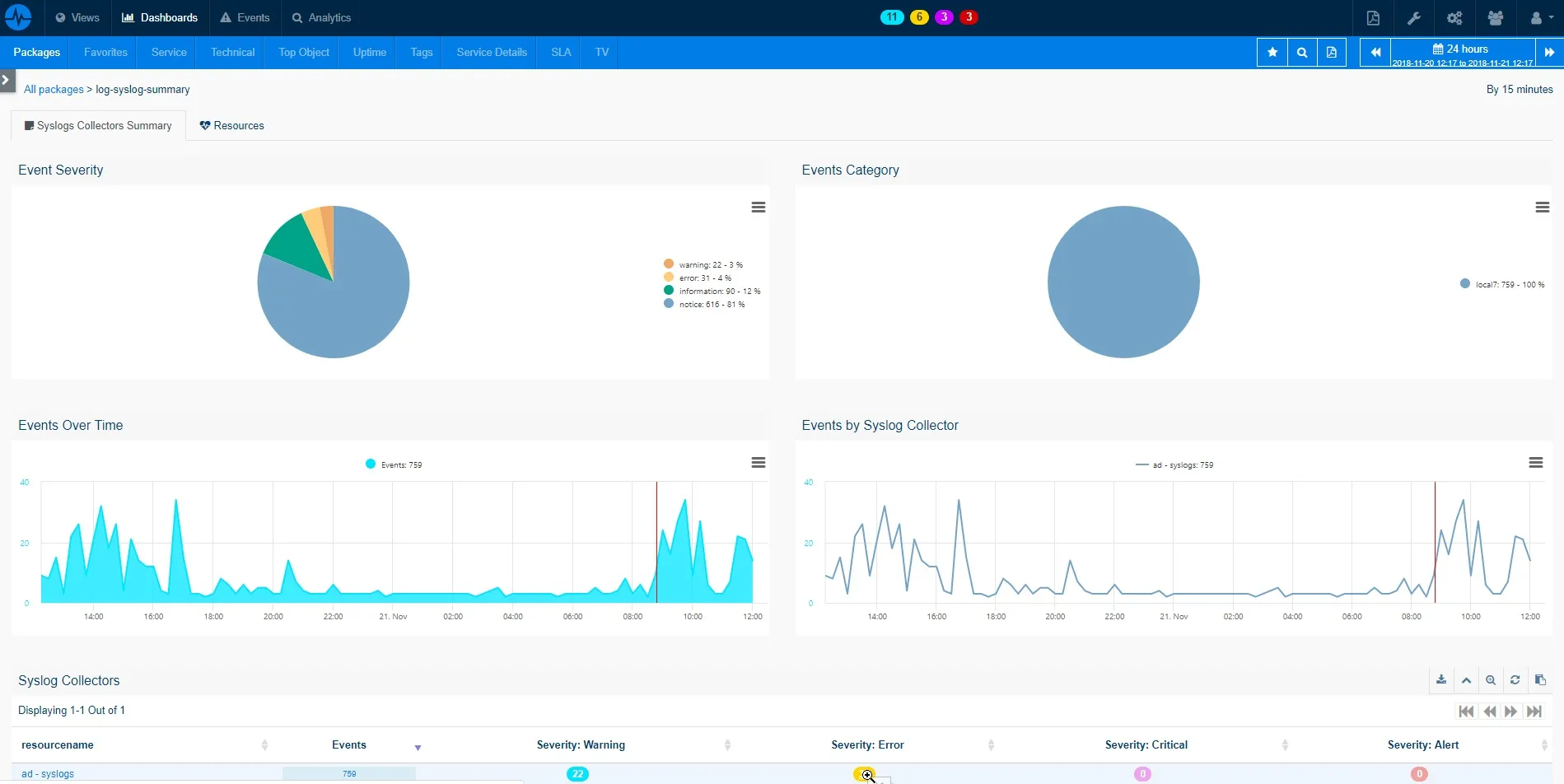
Collection, storage, filtering and analysis of logs: SNMP Trap, Syslog, W3C... Transformation of event files into metrics to benefit from supervision, metrics analysis and alerting mechanisms.
IT Security Monitoring

Monitoring of devices supporting IT and physical security: firewalls, various IT data, IP cameras, TCP port control, TCP connections blocked and much more.
Free installation in
a few clicks
SaaS Plateform
- No on-premise software setup, servicing and configuration complexity
- Instant setup, complete and pre-configured to ensure robust monitoring
OnPremise Plateform
- Contracts and commitments over time ( > 1 year)
- Performance, Data Storage and Infrastructure Management
- 2 additional solutions: VoIP and Mainframe monitoring
